Travel tips and directions for the Great Mosque, castle, Glass Viewing Terrace, historic bazaar, Nuri Demirağ Museum, Hüma Hatun Street, Çaltı Canyon, Tuğut Village and Kemaliye Stone Road.
10 STOPS · DİVRİĞİ & SURROUNDINGS
More than a town.
A World Heritage complex, mansions that preserve the past, streets brought to life by women artisans and views of the Çaltı Valley. Choose the stops that interest you, with every route starting at Ekin Otel. Beyond nine stops in Divriği, explore the region with a visit to Kemaliye Stone Road.
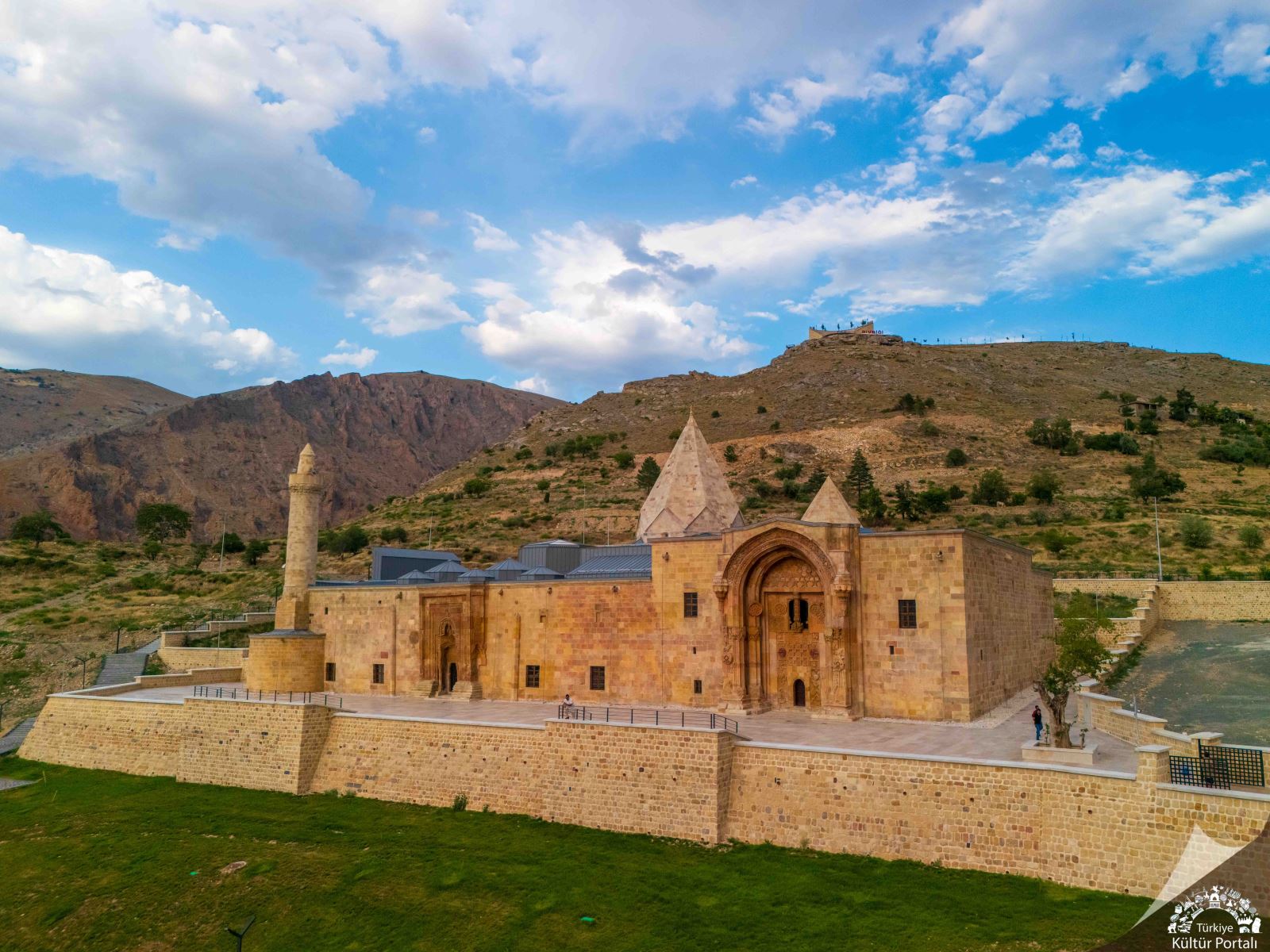
This Mengücek-era complex brings together a mosque, hospital and tomb. The Great Mosque was commissioned by Ahmet Şah, and the adjoining hospital by his wife Turan Melek. The complex has been on the UNESCO World Heritage List since 1985.
Beyond the restrained exterior, each monumental portal has its own decorative character. Taking a close look at the geometric and plant motifs on the hospital, north, west and royal gallery portals is one of the highlights of a Divriği visit.
Visiting tip
Allow time to study the portals' details. Check current prayer and visiting arrangements when planning your visit.
Inner & outer castleApprox. 1 km of outer wallsOyuktepe
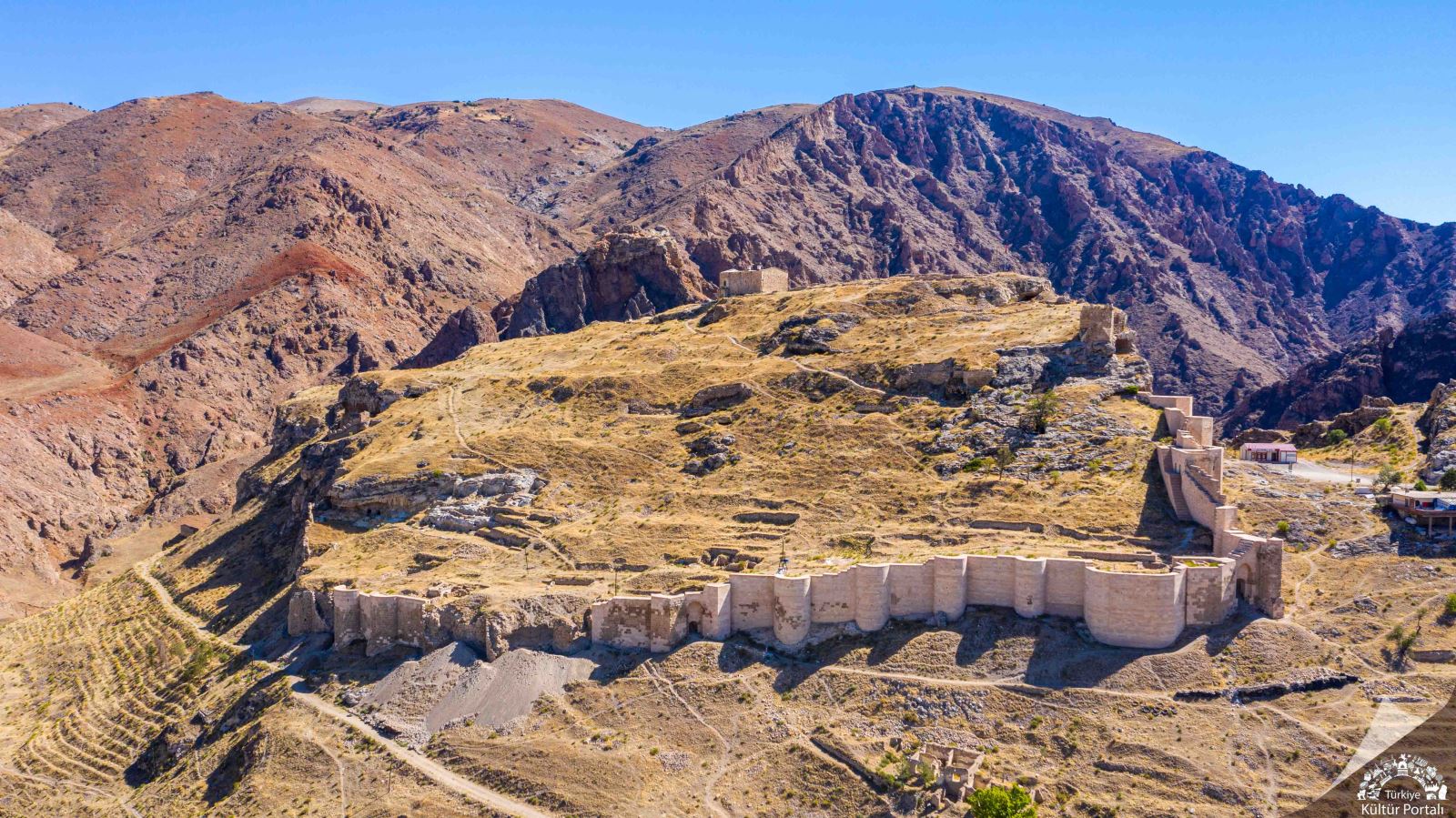
On a rocky outcrop north of town overlooking the Çaltı River, the castle is a defining part of Divriği's historic skyline. The Mengücek inner and outer walls feature towers of different shapes; the outer walls extend for about a kilometre.
The mosque inside the castle is also notable for its setting and stonework reflecting early Anatolian Turkish architecture. Explore the castle surroundings to see traces of its defences and the relationship between Divriği and the valley.
Visiting tip
Consider visiting the castle and Glass Viewing Terrace together. Follow routes open to visitors and take the sloping terrain into account.
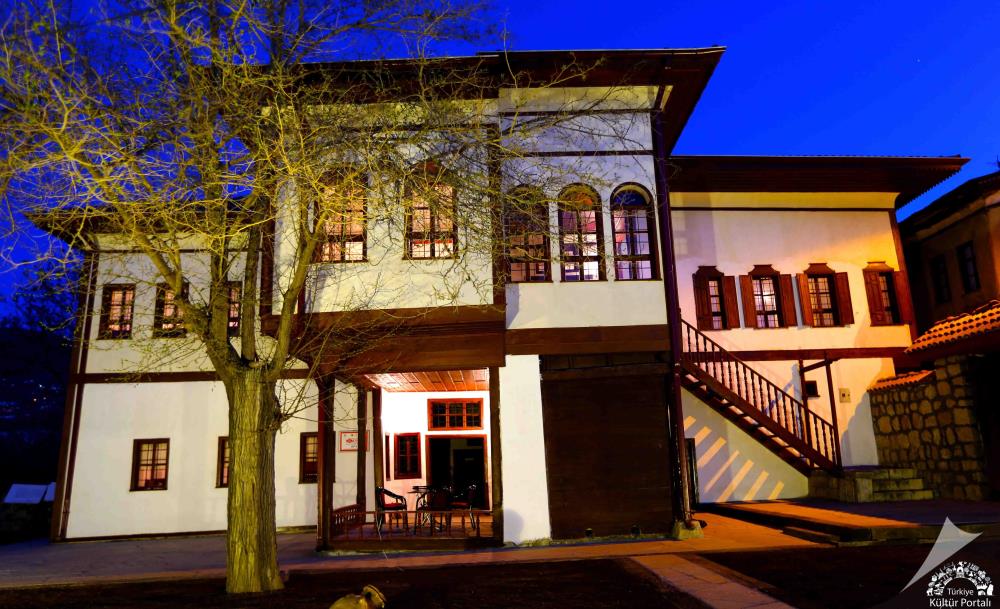
Mühürdarzade Mansion, also called Mühürzade Mansion, was the home of Divriği-born businessman and politician Nuri Demirağ. Built in the mid-19th century, the two-storey house reflects traditional Divriği architecture with timber and adobe, white plastered walls and projecting bay windows.
Its family and guest quarters, courtyard, and summer and winter rooms tell the story of life in the mansion. Now the Nuri Demirağ Museum, it offers a chance to discover traditional domestic architecture and Demirağ's legacy in one visit.
Visiting tip
Our map link uses the museum's name. Please confirm the museum's and the mansion restaurant's current opening arrangements before visiting.
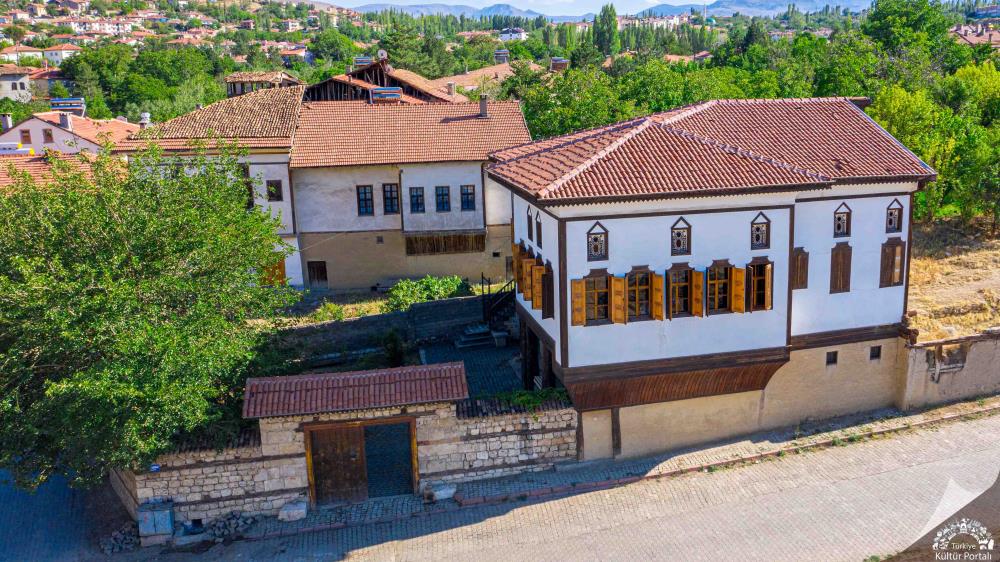
Commissioned by Karamahmud's son Mehmed Ağa, the mansion is thought to date to around 1838. Its woodwork and large-scale layout make it a notable example of Divriği's traditional residential architecture.
The original house had three main sections: guest quarters, an intermediate section and family quarters. Although part of this layout has been lost, the restored guest section, main reception room and other rooms offer a glimpse of its past. Türkiye Culture Portal reports that part of the guest section has opened to visitors.
Visiting tip
Look at the mansion's architectural details and street frontage together. Check current access to the interior before visiting.
One of the best ways to get to know Divriği is to wander the historic bazaar streets. Leading from the Great Mosque towards the market, small shops, traditional façades and local shopkeepers offer a glimpse of everyday life.
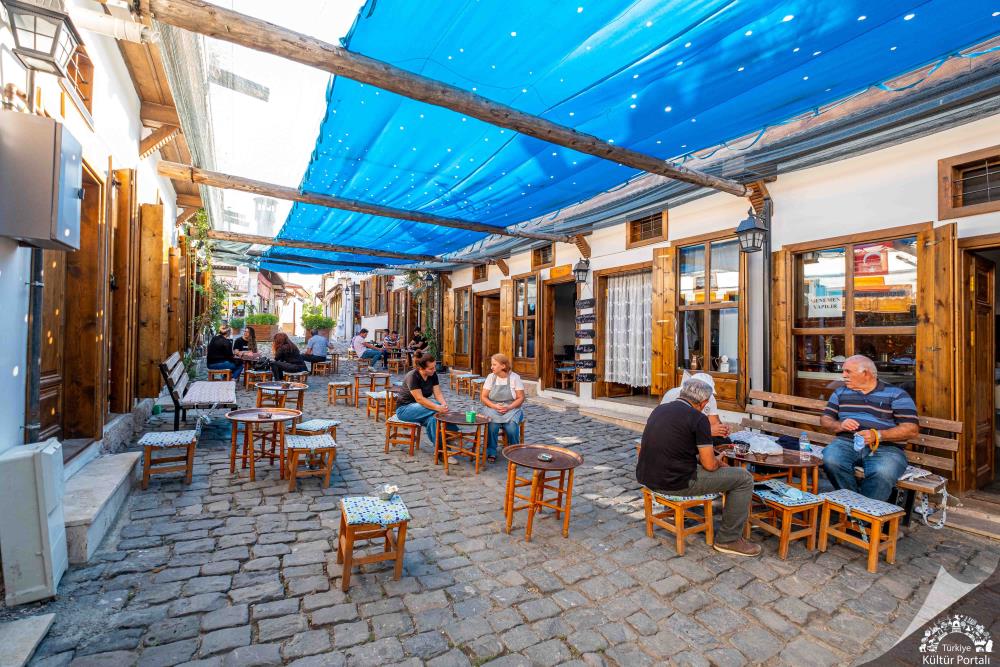
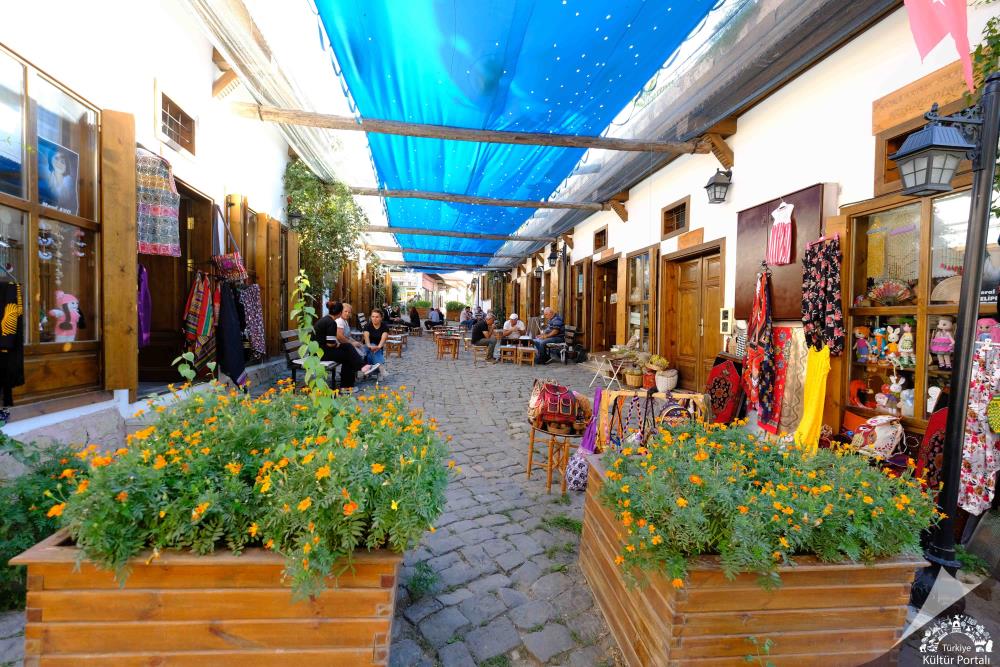
Add the bazaar to your route to browse local produce, handmade gifts and enjoy a meal. Make restored Hüma Hatun Street a separate stop. The photograph shows the Hüma Hatun section within the bazaar.
Visiting tip
The bazaar is a network of streets rather than a single enclosed attraction. Use the map link as a starting point and explore at your own pace.
This street in Mercantepe takes its name from Hüma Hatun, a philanthropist who established a charitable foundation in Divriği. Its shops were restored in 2019 in keeping with local bazaar architecture. The street's distinctive feature is that its businesses are run by women.
Aiming to sustain the traditions of Bâciyân-ı Rûm and the Ahi guild culture, the street offers local food and handicrafts. It is a meaningful stop for anyone wishing to recognise women's work while exploring the historic bazaar.
Visiting tip
Stop by to browse local products and handmade crafts during your bazaar walk. Shop opening hours may vary.
1,200 m visitor trail98 m² suspended glass sectionOyuktepe area
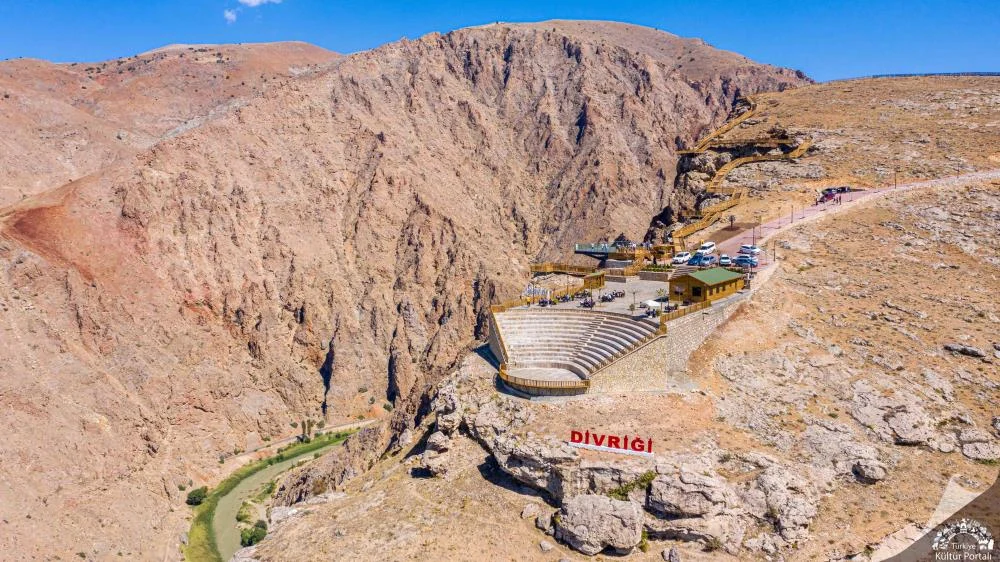
Overlooking Çaltı Canyon, the viewing area combines wooden walkways with a glass terrace. According to Türkiye Culture Portal, it has a visitor trail of around 1,200 metres with resting points along the way.
Roughly 200 metres above the canyon, the terrace has a suspended glass section measuring 98 square metres. Opened in 2021, it is a scenic stop for views of the valley, Divriği and nearby historic buildings from different angles.
Visiting tip
Check the weather and current operating arrangements. Follow the visitor rules on the terrace and trails.
A tributary of the EuphratesEastern Express routeValley views
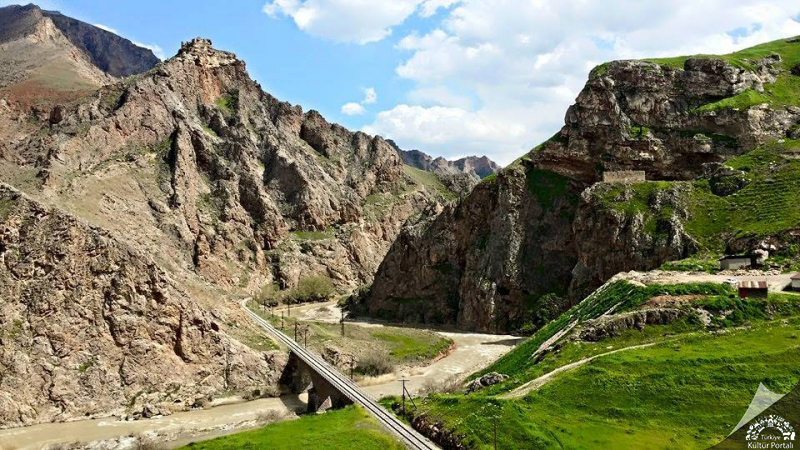
The Çaltı River, a tributary of the Euphrates, forms a valley between the rocky slopes around Divriği. On the Eastern Express railway route, the canyon offers a different perspective for visitors discovering the town's natural setting after its historic monuments.
Türkiye Culture Portal describes the canyon and nearby Kız Bridge as part of a shared sightseeing route. Enjoying the views and taking photographs from viewpoints can be a lovely introduction to the area's natural landscape.
Visiting tip
The canyon is not a managed attraction with a single entrance. Study the area on the map and confirm access and routes locally if you plan to walk.
Approx. 20 km from townProtected historic settlementTraditional village houses
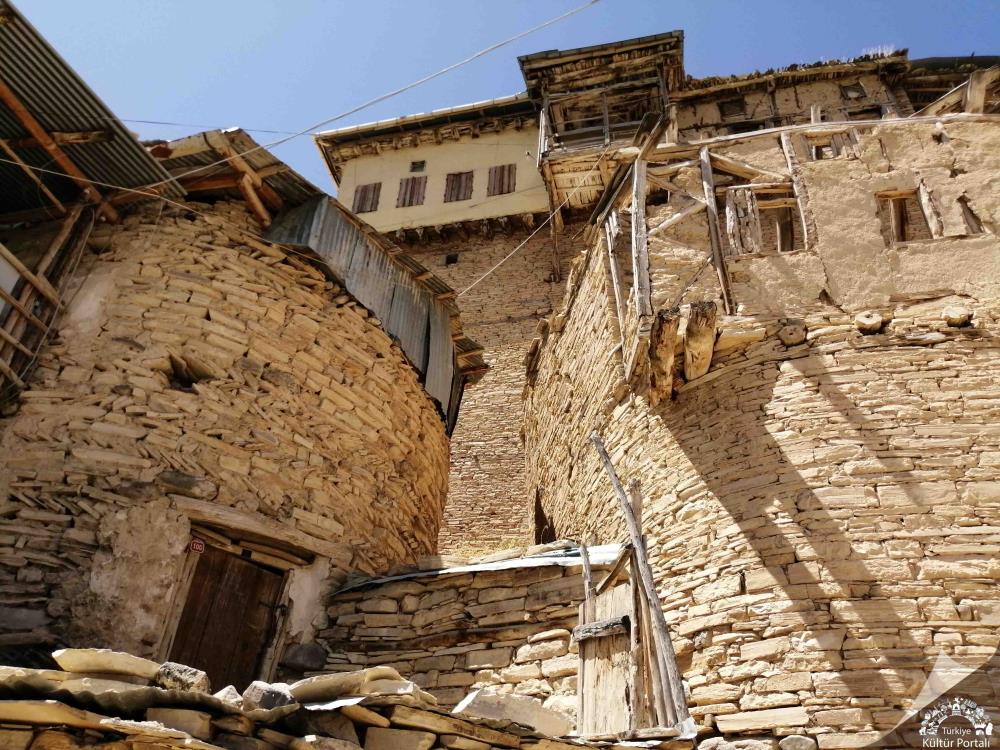
About 20 kilometres from Divriği town centre, Çiğdemli, formerly Tuğut, preserves a traditional village streetscape. Several buildings are registered cultural assets, and the settlement is a protected historic area.
Mentioned in Evliya Çelebi's Book of Travels, Tuğut offers another discovery for those interested in historic Divriği houses beyond the town centre. Its lanes and house façades reveal the region's building traditions.
Visiting tip
The 20 km figure is measured from the town centre; the map calculates the route from the hotel. Respect private property and daily village life during your visit.
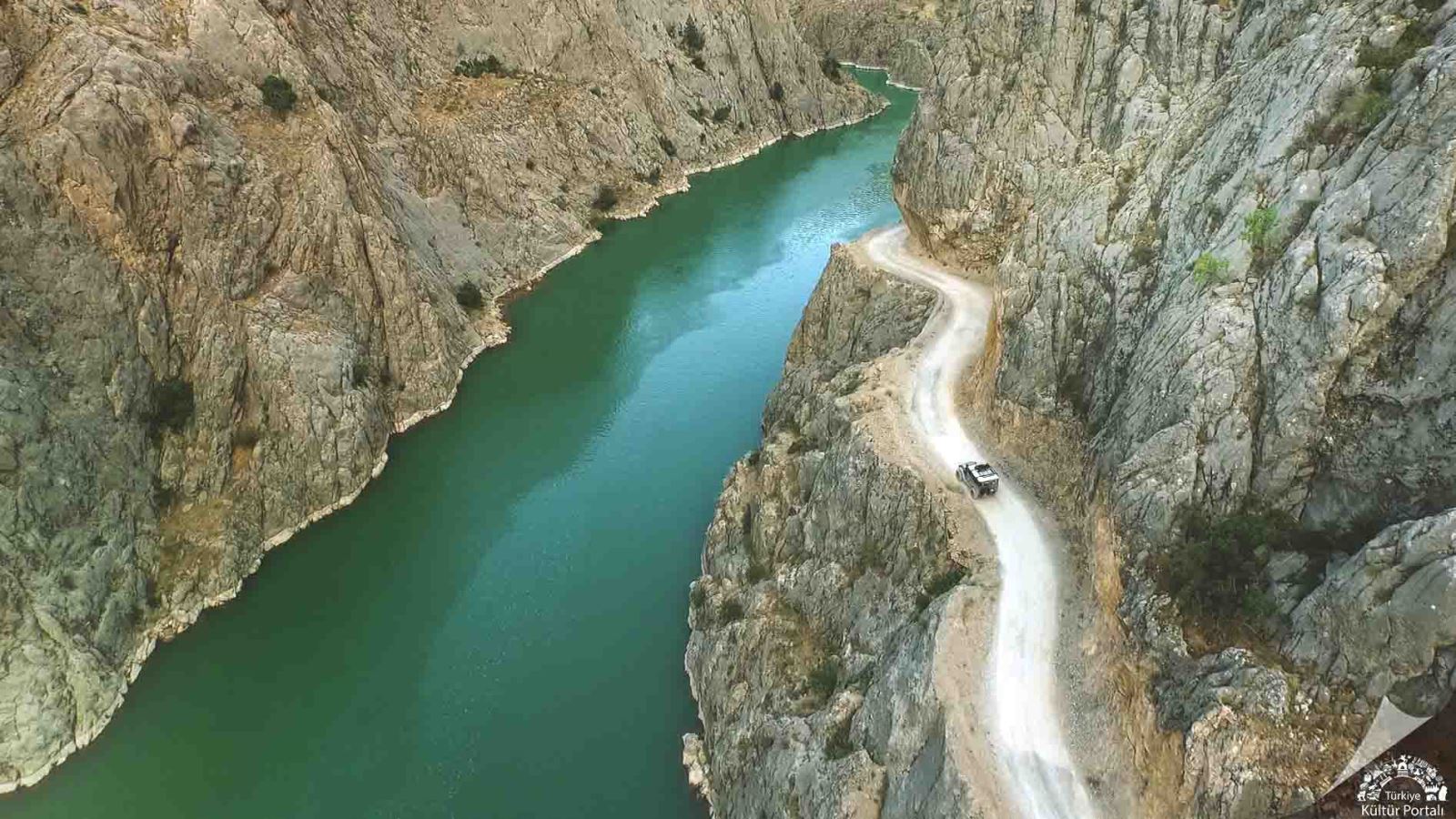
Along the steep slopes of Dark Canyon in Kemaliye, Erzincan, the Stone Road is known for passages cut through rock and views of the Karasu River. According to Türkiye Culture Portal, the roughly 7-kilometre road has 38 tunnels of varying sizes.
To extend your stay in Divriği with a regional excursion, set aside a separate day for Kemaliye. Combine the Stone Road and Dark Canyon with Kemaliye's traditional townscape. This stop is in Erzincan province and is planned separately from our Divriği town itinerary.
Visiting tip
The road has narrow, steep sections. Confirm weather, access and vehicle suitability with local authorities before travelling. The map link does not guarantee that the road is open; distance and journey time from the hotel are calculated on the map.
Opening hours, fees and access conditions may change. Confirm current details with each venue. Map links start at Ekin Otel; Google Maps calculates distances and journey times.
Information & image sources
Descriptions draw on the Türkiye Culture Portal pages linked on each card, with additional historic bazaar information from Turkish Airlines' Divriği guide. Information dated 18 October 2026.
Photos are from the supplied Türkiye Culture Portal pages. Credits appear under each image. Photographs may be from different dates and are cropped for the layout.

 01 / WORLD HERITAGE